
What is Cancer ?
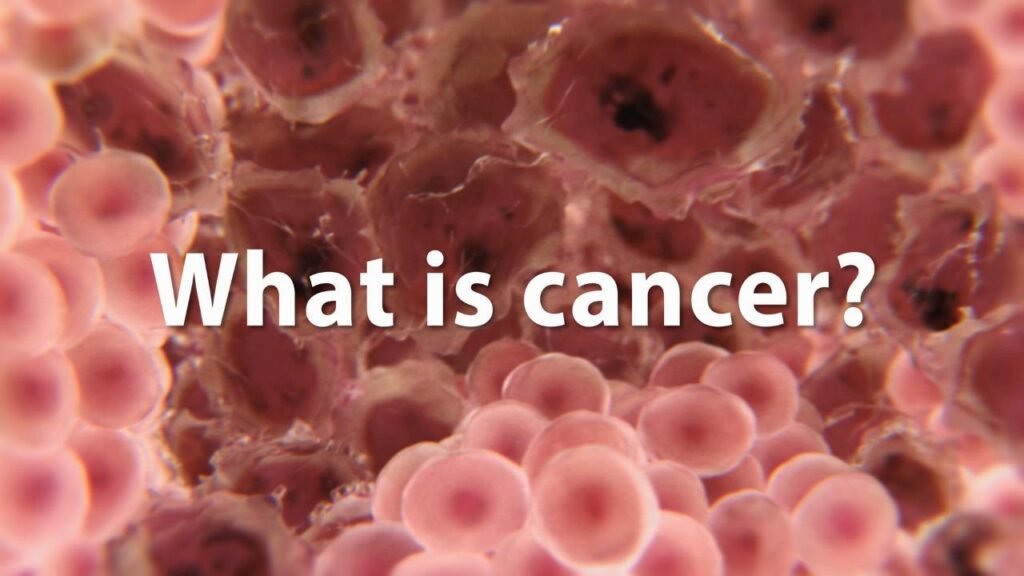
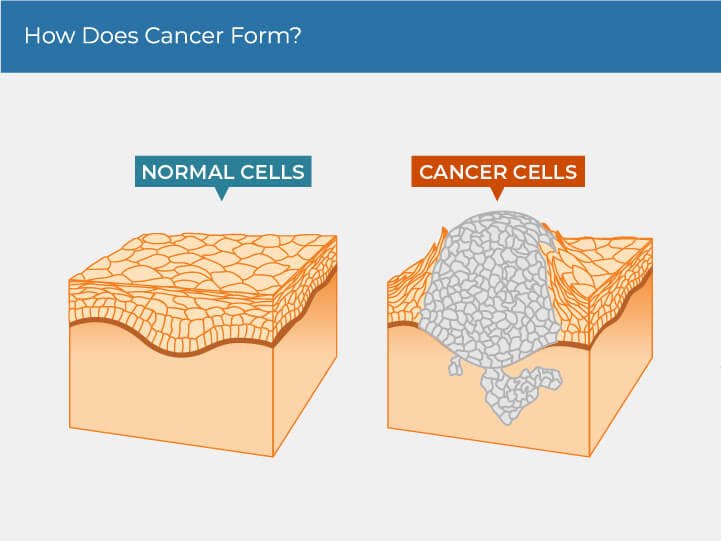
Cancer isn’t just one disease — it’s a group of many diseases that all start the same way. Normally, your body’s cells grow, divide, and die in an orderly way, following instructions from your genes. But with cancer, something goes wrong. The cells stop listening to those instructions. Instead of dying when they should, they keep growing and multiplying, forming tumors and sometimes spreading to other parts of the body.
Cancer is the second leading cause of death in the U.S., but there’s good news: fewer people are dying from it today than 20 years ago. Thanks to early detection and advanced treatments, more people are surviving cancer and living longer, healthier lives.
Types of Cancer
There are more than 100 different types of cancer. Doctors usually classify them based on where the cancer begins in the body and what kind of tissue it affects. Broadly, cancers fall into three main groups:
Solid cancers: These are the most common, making up about 80–90% of all cases. They include carcinomas, which start in the skin or tissues that line organs (like the breast, colon, and lungs), and sarcomas, which start in bones or connective tissues.
Blood cancers: These begin in the blood cells or the lymphatic system. The most common types are leukemia, lymphoma, and multiple myeloma.
Mixed cancers: These are less common and have features of more than one type of cancer. Examples include carcinosarcoma and adenosquamous carcinoma.
How Common Is Cancer?
Cancer is the second leading cause of death worldwide. In the U.S. alone, researchers estimate that in 2024 more than 2 million people will be diagnosed with cancer, and over 611,000 people will die from it.
On average, about 1 in 4 people will develop cancer at some point in their lives.
The most common cancers in the U.S. include:
Breast cancer
Lung cancer
Prostate cancer
Colorectal cancer
Blood cancers (like leukemia and lymphoma)
While anyone can get cancer, certain factors affect who is more likely to develop it. According to the 2022 Annual Report on Cancer:
Cancer affects slightly more men than women.
It is most common in people over age 60.
Black men have higher rates of cancer than men in other racial groups.
Among women, American Indian and Alaska Native women are more affected than women in other groups.
Symptoms and Causes
What are the symptoms of cancer?
Cancer symptoms can look very different from person to person. They depend on the type of cancer and how far it has developed.
Some general signs and symptoms of cancer may include:
Feeling unusually tired (fatigue)
Fever that mostly happens at night
Loss of appetite
Night sweats
Ongoing or unexplained pain
Skin changes (such as a mole that changes size, shape, or color, or a new mole that appears)
Unexplained weight loss
In addition, some cancers cause specific symptoms, such as:
Blood in urine or stool
Coughing up blood
New lumps, bumps, or swelling
Persistent changes to a mole or skin spot
It’s important to remember that:
These symptoms can be caused by many conditions, not just cancer.
Some people may have no symptoms at all for years.
In other cases, symptoms can appear suddenly and get worse quickly.
When to see a doctor:
A good rule of thumb is to talk to a healthcare provider if you notice any unusual change in your body that lasts more than two weeks. Early detection can make a big difference in treatment and outcomes.
What Causes Cancer?
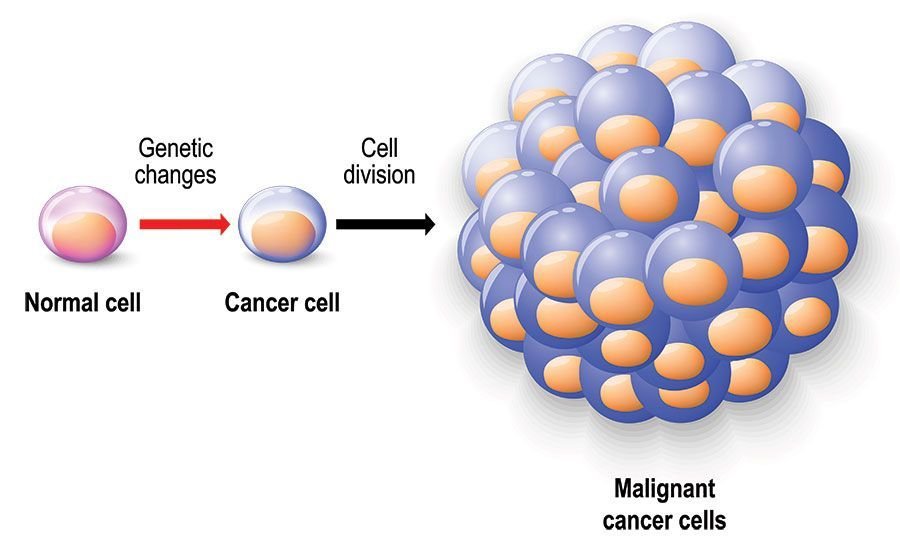
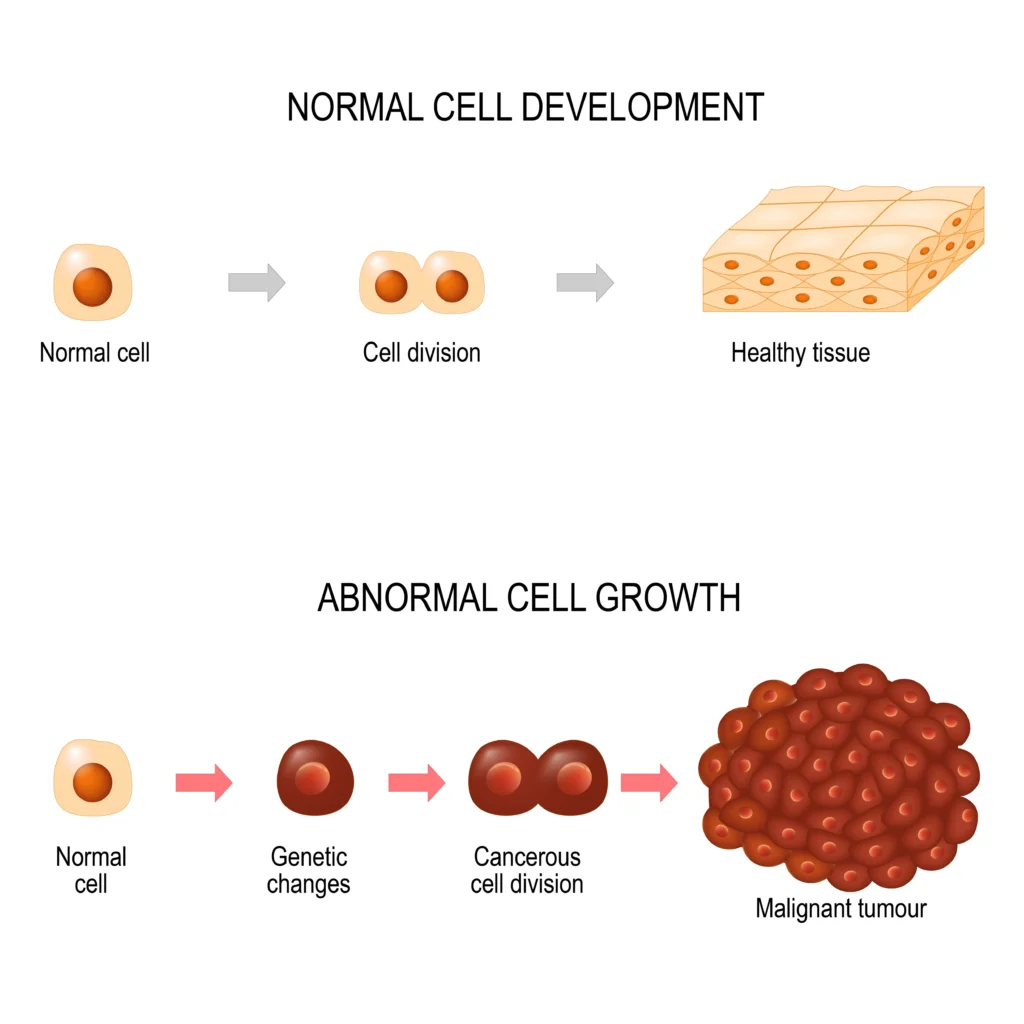
Cancer is a genetic disease, which means it starts with changes (mutations) in the genes that control how cells grow and divide. But that doesn’t always mean cancer is inherited. Most of the time, these gene changes happen during a person’s lifetime rather than being passed down from parents.
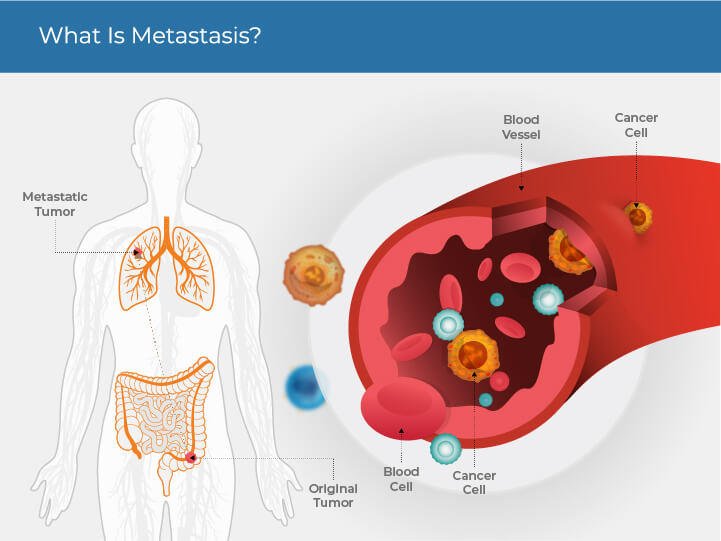
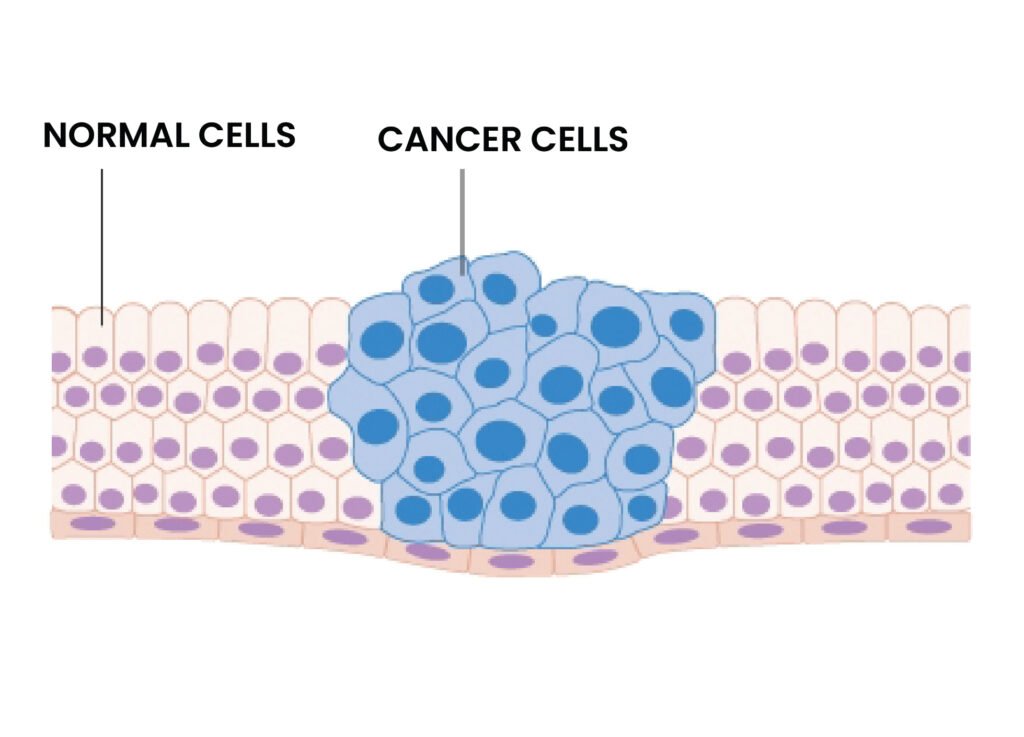
When certain genes mutate, cells stop behaving normally. Instead of dying when they should, they grow uncontrollably. These abnormal cells form clusters called tumors. Sometimes, cancer cells can break away from the original tumor and travel through the bloodstream or lymphatic system to other parts of the body — a process called metastasis.
For example:
A tumor that begins in the breast may spread to the lungs, making it hard to breathe.
In blood cancers, the bone marrow creates abnormal blood cells that multiply too quickly, crowding out healthy cells.
Researchers estimate that only about 5% to 10% of cancers are caused by inherited genetic mutations (things you’re born with and can’t change). The vast majority happen because of acquired mutations — genetic changes that develop over time, often influenced by lifestyle, environment, or aging.
Some common risk factors that may increase your chances of developing cancer include:
Tobacco use
Heavy alcohol consumption
Poor diet or obesity
Lack of physical activity
Certain infections (like HPV or hepatitis)
Prolonged exposure to harmful chemicals or radiation
Age (risk increases as you get older)
Risk Factors for Cancer
There isn’t just one cause of cancer. Instead, certain factors can increase your risk of developing it. Some of the most common include:
Family history: Having close relatives (like parents, siblings, or grandparents) with cancer can raise your risk.
Smoking and tobacco use: Cigarettes, cigars, and even e-cigarettes are linked to cancers of the lung, esophagus, pancreas, and mouth.
Environmental exposures: Long-term contact with harmful substances like asbestos, pesticides, or radon can contribute to cancer over time.
Diet and lifestyle: Eating a diet high in unhealthy fats or sugars, being overweight, or not getting enough physical activity can raise your risk.
Hormone therapy: Women who use hormone replacement therapy (HRT) may have a higher chance of developing breast or uterine cancer.
Radiation: Too much ultraviolet (UV) exposure from the sun increases the risk of skin cancer. Radiation from certain medical treatments can also raise cancer risk.
Diagnosis and Tests
How is cancer diagnosed?
Diagnosing cancer usually starts with a physical exam. Your healthcare provider will ask about your symptoms, overall health, and family medical history. From there, they may order different tests to look for signs of cancer, such as:
Blood tests: These may include a complete blood count (CBC), blood protein tests, or tumor marker tests that can point to cancer.
Imaging tests: Scans like CT, MRI, ultrasound, or specialized scans (such as MIGB) help doctors see inside your body to check for tumors or abnormal growths.
Biopsies: This involves taking a small sample of tissue to test for cancer cells. It can be done with a needle or through a minor surgical procedure.
Genetic testing: In some cases, doctors may test your genes to see if inherited mutations are causing or increasing your risk of cancer. This can also guide treatment.
How Is Cancer Staged?
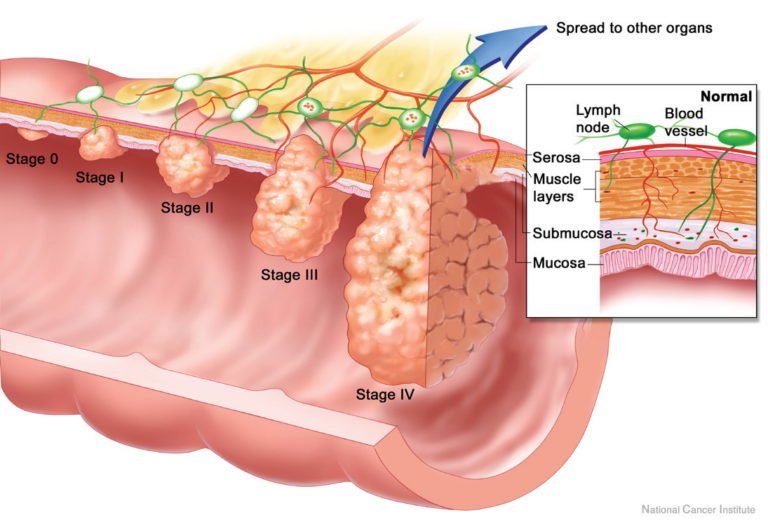
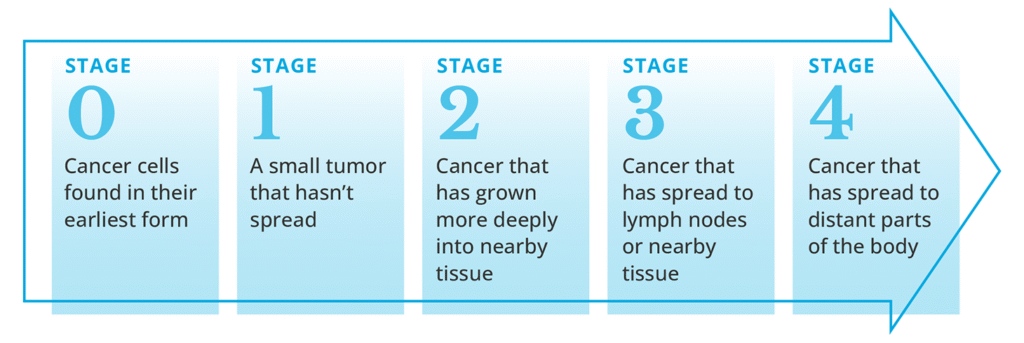
Doctors use cancer staging systems to understand how far the disease has progressed. Staging helps guide treatment decisions and gives an idea of what to expect (prognosis).
Most cancers are grouped into four main stages:
Stage I–III (1–3): These stages describe cancers that are still in the original area but may have grown into nearby tissues or spread to nearby lymph nodes. They’re often called early-stage or locally advanced cancers.
Stage IV (4): Also known as metastatic cancer, this stage means the cancer has spread to distant parts of the body through the bloodstream or lymphatic system.
The exact stage depends on several factors, including the tumor’s size, location, and whether it has spread.
Management and Treatment
How is cancer treated?
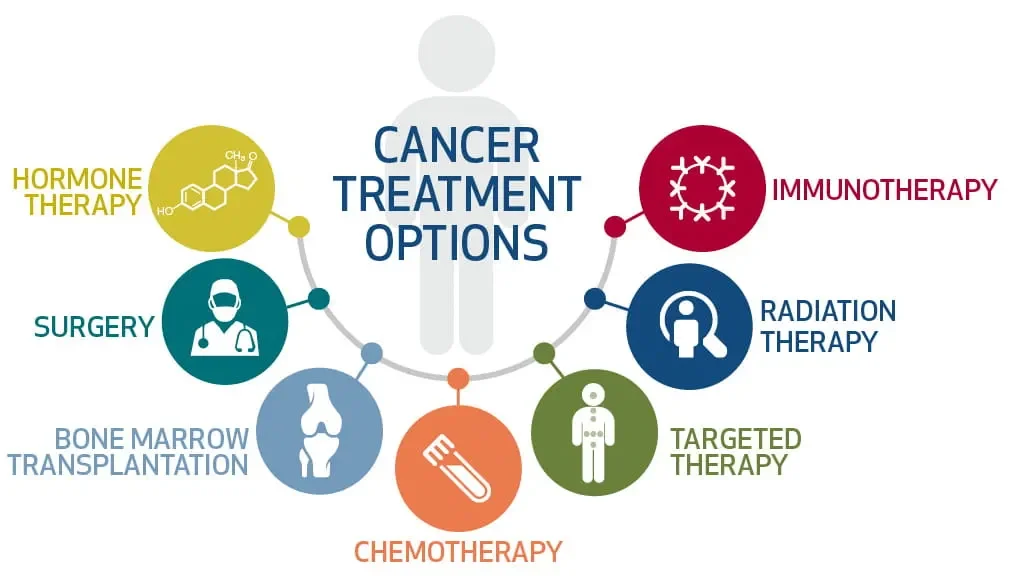
Cancer treatment depends on the type of cancer, its stage, and your overall health. In many cases, doctors use a combination of treatments to get the best results. Common treatment options include:
Surgery: Removes cancerous tumors when they haven’t spread too far.
Chemotherapy: Uses strong medicines (given as pills or through an IV) to kill cancer cells.
Radiation therapy: Destroys cancer cells with high doses of targeted radiation.
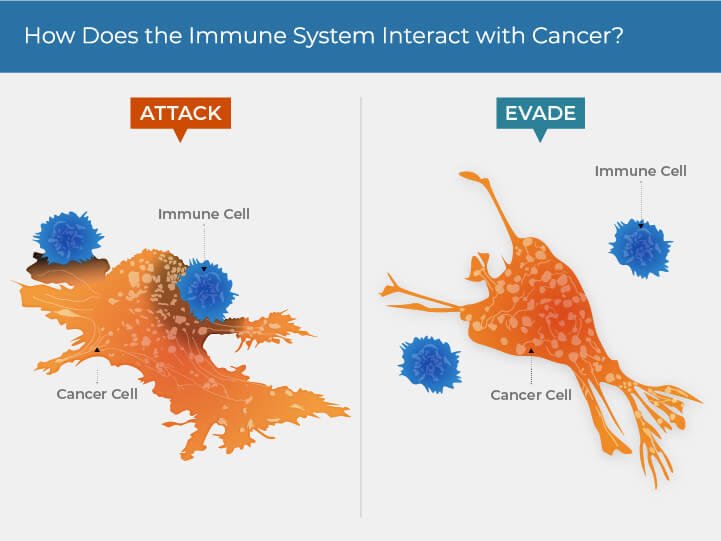
Immunotherapy: Boosts your immune system to help it recognize and attack cancer cells.
Targeted therapy: Focuses on specific genetic changes that cause cells to become cancerous.
Hormone therapy: Blocks or lowers hormones that fuel certain cancers (for example, lowering testosterone in prostate cancer).
Bone marrow or stem cell transplant: Replaces damaged blood-forming stem cells with healthy ones.
Side effects
Cancer treatments can sometimes cause side effects like fatigue, nausea, hair loss, or changes in appetite. The type and severity of side effects vary depending on the treatment and how your body responds. Always let your healthcare provider know about side effects — they can often recommend medications or lifestyle changes to help manage them.
Prevention
Can Cancer Be Prevented?
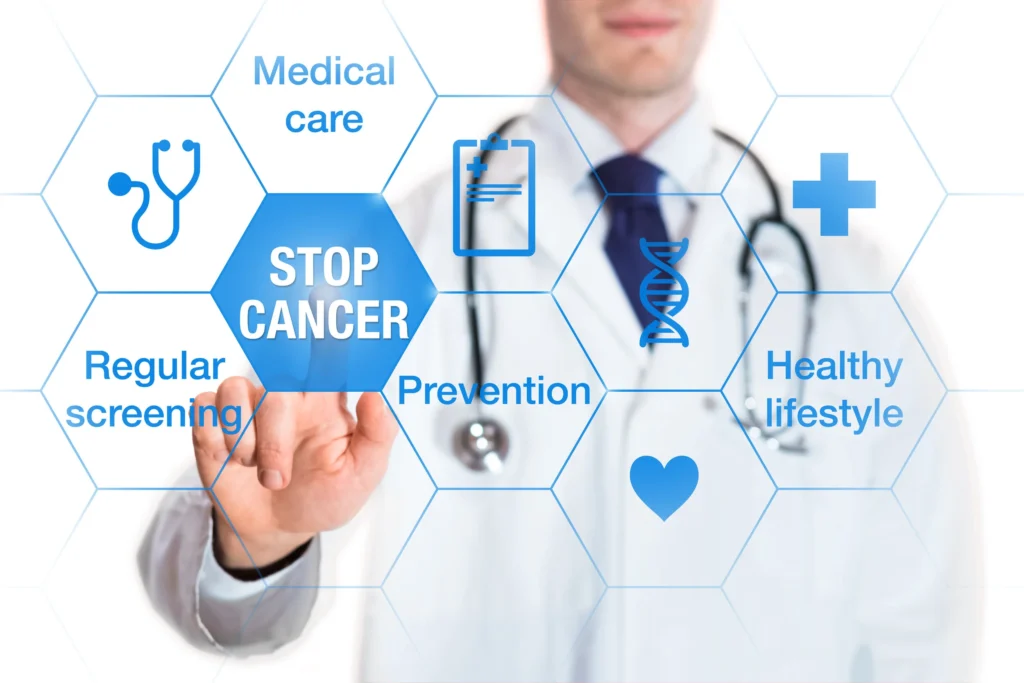
Not all cancers can be prevented — especially when they’re linked to risk factors you can’t control, like age or family history. But there are steps you can take to lower your risk:
Quit smoking or using tobacco: Talk to your healthcare provider about programs or medications that can help you quit.
Eat a healthy diet: Focus on balanced nutrition with plenty of fruits, vegetables, and whole grains.
Stay active: Regular physical activity supports a healthy weight and lowers cancer risk.
Limit exposure to toxins: Avoid harmful substances like asbestos, pesticides, and other environmental chemicals whenever possible.
Protect your skin: Use sunscreen and avoid excessive sun exposure to reduce the risk of skin cancer.
Get regular screenings: Tests like mammograms, colonoscopies, and Pap smears can detect cancer early, when it’s most treatable.
While cancer prevention isn’t always possible, making healthy lifestyle choices and staying on top of regular screenings can go a long way in protecting your health.
