
Uterine Cancer: Understanding Symptoms, Risks, and Care
Uterine cancer is one of the most common cancers affecting women’s reproductive health. It develops in the uterus, the hollow organ in the pelvis where a baby grows during pregnancy. Early detection plays a key role in successful treatment, which is why awareness of its signs and risk factors is so important.
What is Uterine Cancer?
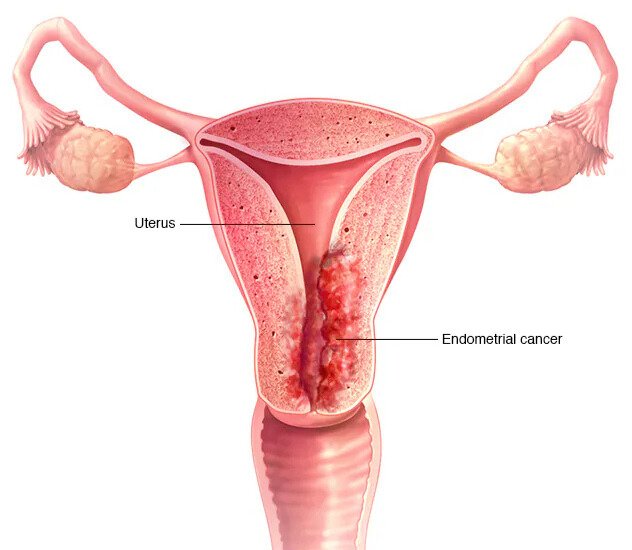
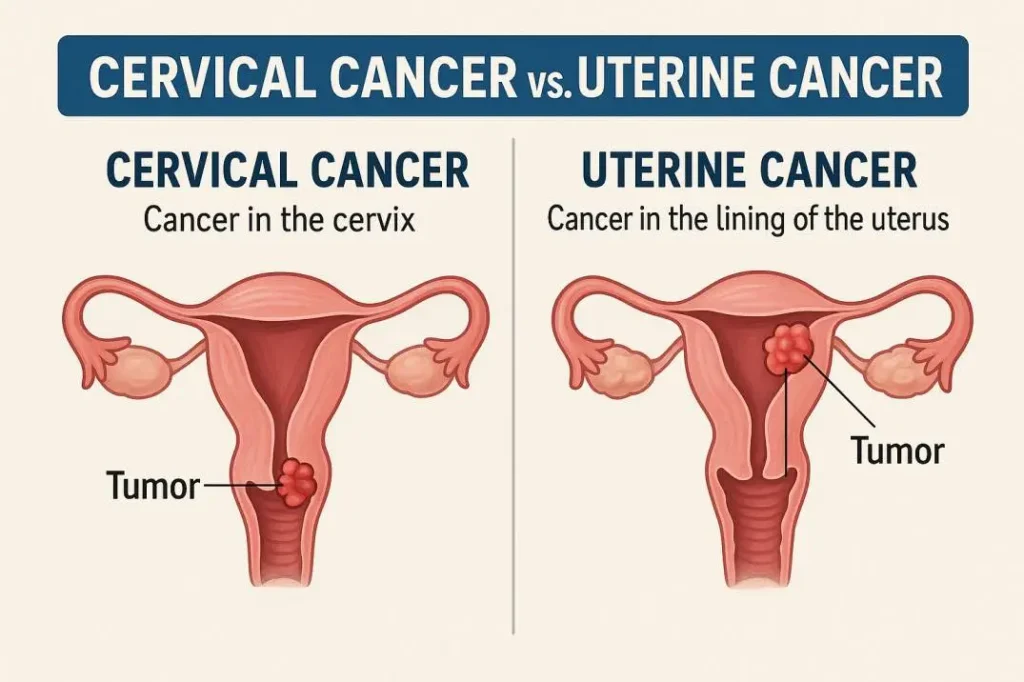
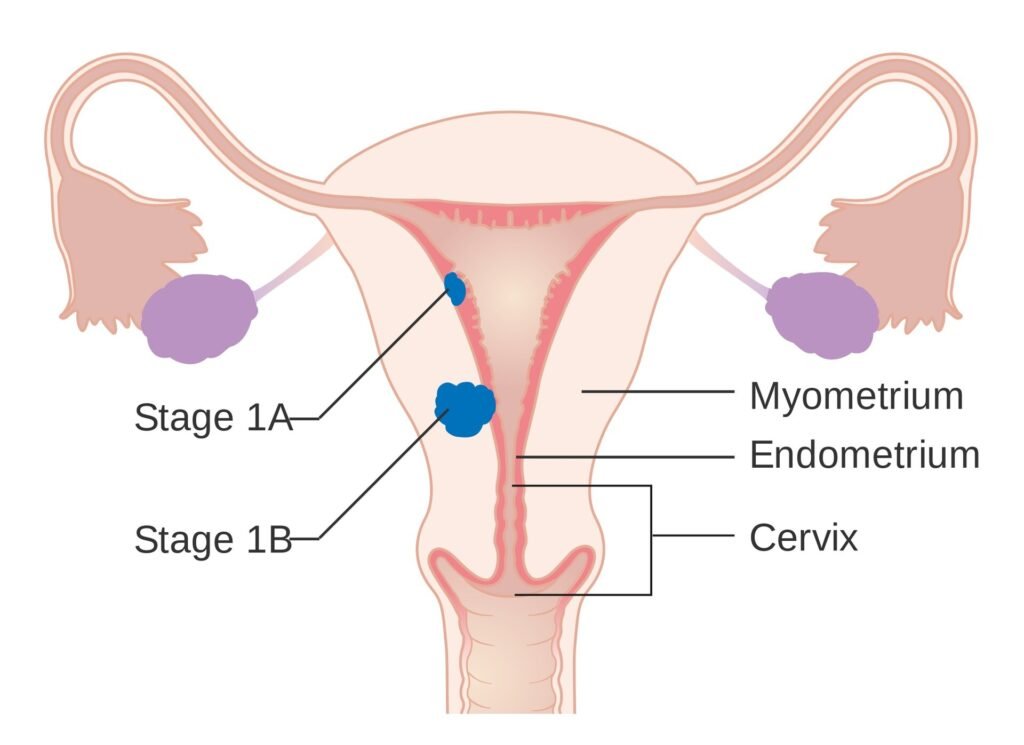
Uterine cancer begins when abnormal cells grow uncontrollably in the lining of the uterus (endometrium) or, less commonly, in the muscle layer of the uterus. The most common type is endometrial cancer, while a rarer type is uterine sarcoma.
Who is at Risk?
Certain factors increase the risk of developing uterine cancer:
- Age: Most cases occur after menopause.
- Hormonal imbalance: High levels of estrogen without enough progesterone.
- Obesity: Excess body fat can raise estrogen levels.
- Family history: A history of uterine, ovarian, or colon cancer.
- Other conditions: Polycystic ovary syndrome (PCOS), diabetes, or a history of radiation therapy to the pelvis.
Symptoms to Watch For
Uterine cancer often shows signs early, which helps in timely diagnosis. Common symptoms include:
- Abnormal vaginal bleeding (especially after menopause)
- Heavy or irregular menstrual bleeding
- Pelvic pain or pressure
- Unusual vaginal discharge
- Pain during intercourse
Any unexpected vaginal bleeding should be checked by a doctor, especially for women who are postmenopausal.
How is it Diagnosed?
Doctors may use several tests to diagnose uterine cancer, such as:
- Pelvic exam and ultrasound to check for abnormalities.
- Endometrial biopsy to test tissue from the uterus.
- Imaging tests like CT or MRI to see if cancer has spread.
Treatment Options
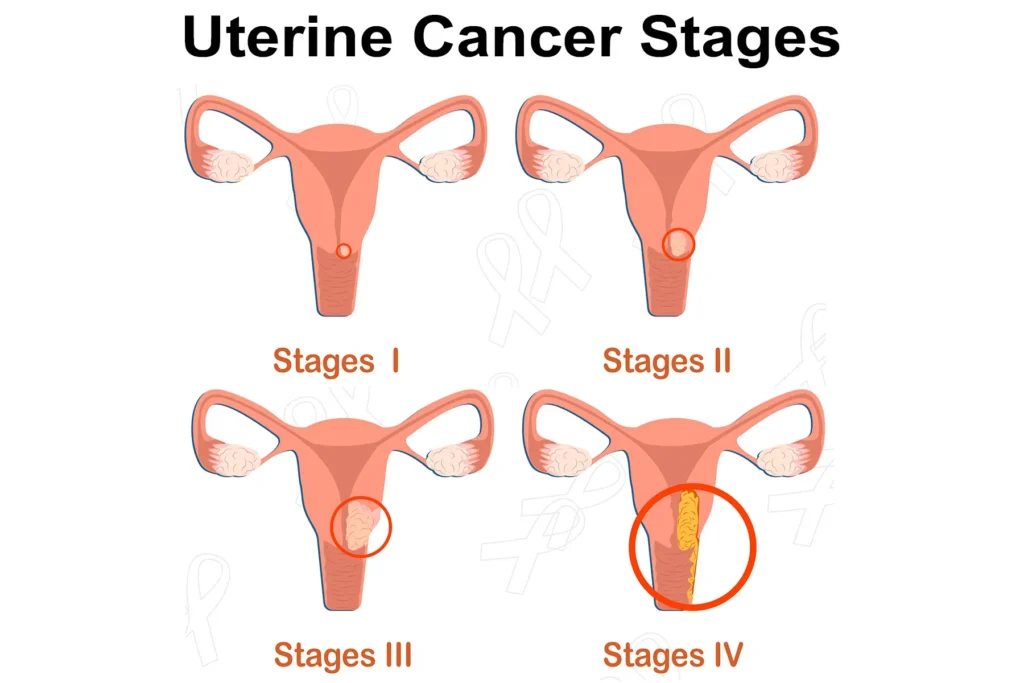
Treatment depends on the stage and type of uterine cancer, as well as overall health. Common treatments include:
- Surgery: Removal of the uterus (hysterectomy) is often the main treatment.
- Radiation therapy: Used to target and kill cancer cells.
- Chemotherapy: Medicine that destroys or slows cancer cell growth.
- Hormone therapy: Helps block hormones that fuel cancer growth.
- Targeted therapy & immunotherapy: Newer treatments for advanced cases.
Living with Uterine Cancer
A diagnosis of uterine cancer can be overwhelming, but many women are treated successfully, especially when it’s caught early. Emotional support, lifestyle changes, and regular follow-ups are key parts of recovery. Maintaining a healthy weight, eating a balanced diet, and exercising regularly may also help lower the risk of recurrence.