
Recurrent Cancer: When Cancer Returns After Treatment
Hearing the word “cancer” once is difficult enough. But for some people, even after successful treatment, cancer can come back. This is called recurrent cancer. It can feel discouraging, but knowing why it happens, what to expect, and how it can be treated offers strength and hope.
What is Recurrent Cancer?
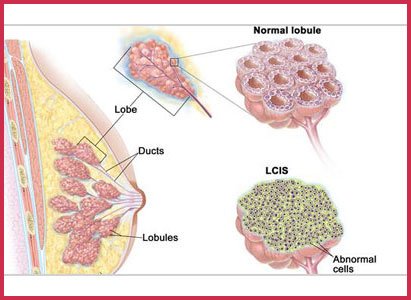
Recurrent cancer happens when cancer cells survive after the initial treatment and begin to grow again. Even if tests showed no signs of cancer, tiny groups of cells may have remained in the body undetected. Over time, these cells can cause the cancer to return.
Types of Recurrence
Recurrent cancer is generally classified into three main types:
- Local recurrence: The cancer returns in the same place it first started.
- Regional recurrence: The cancer appears near the original site, often in nearby lymph nodes.
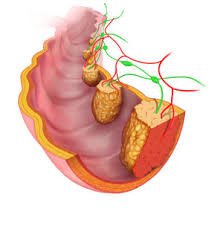
- Distant recurrence (metastasis): The cancer spreads to organs or tissues far from where it first started.
Why Does Cancer Come Back?
Several factors play a role in recurrence:
- The type and stage of the original cancer.
- How effective the first treatment was.
- How aggressive the cancer cells are.
- Whether cancer cells had already spread before the initial treatment.
Signs and Symptoms
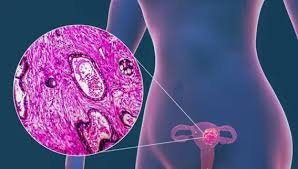
The symptoms of recurrent cancer depend on the type of cancer and where it has returned. Common warning signs may include:
- Unexplained weight loss or fatigue
- New lumps, pain, or swelling
- Persistent cough or breathing issues
- Changes in appetite or digestion
- Symptoms similar to those experienced before the first diagnosis
Regular follow-ups and monitoring are crucial to catch recurrence as early as possible.
Treatment Options
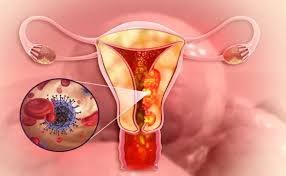
A recurrence does not mean there are no options left. Treatments can be tailored based on where and how the cancer has returned:
- Surgery – may be possible if the recurrent cancer is localized.
- Chemotherapy and radiation – to target cancer cells that have spread.
- Targeted therapy and immunotherapy – advanced treatments that use the body’s immune system or attack specific cancer cell features.
- Palliative care – to manage symptoms and improve quality of life.
Coping with Recurrent Cancer
Emotionally, a recurrence can feel like a setback. Feelings of fear, frustration, or hopelessness are natural. Support groups, counseling, and open conversations with healthcare teams can help patients and families navigate this difficult time. Advances in research are also creating more treatment options and reasons to stay hopeful.