
Pancreatic Cancer: Understanding a Silent but Serious Disease
Pancreatic cancer is often called a “silent” disease because it usually develops without showing clear symptoms in its early stages. By the time it is discovered, it is often advanced, making it one of the more challenging cancers to treat. Awareness of risk factors, warning signs, and treatment options can help in earlier detection and better outcomes.
What is Pancreatic Cancer?
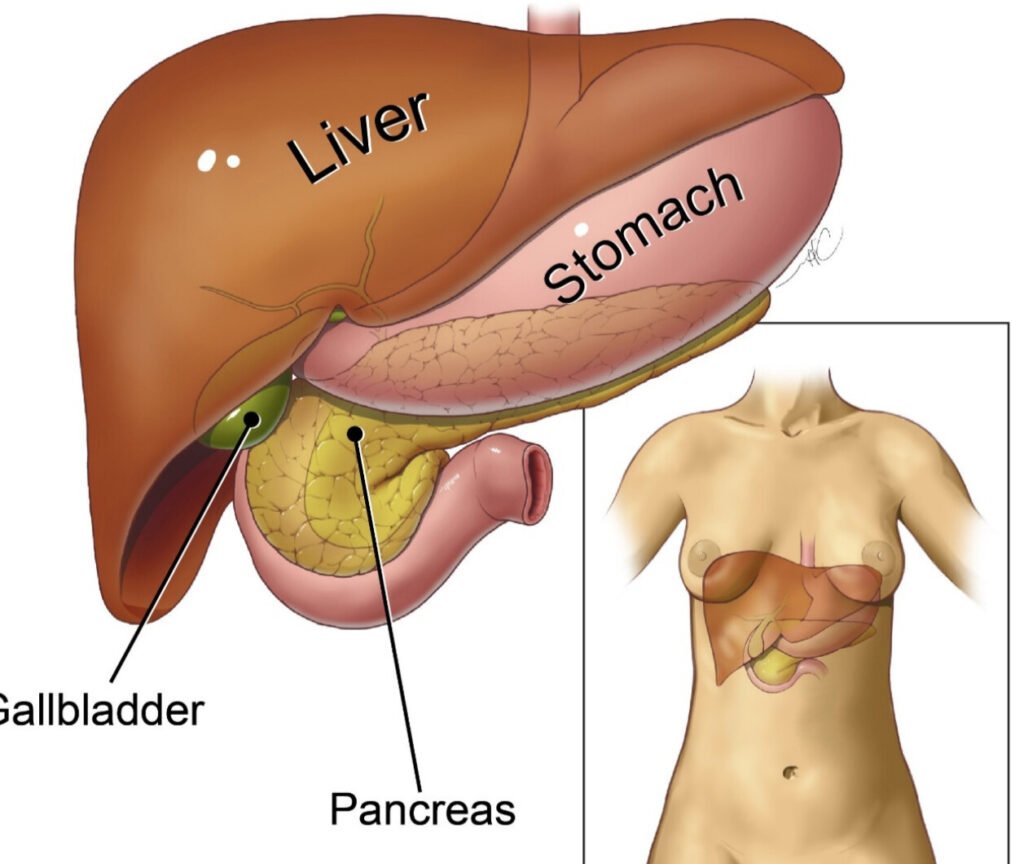
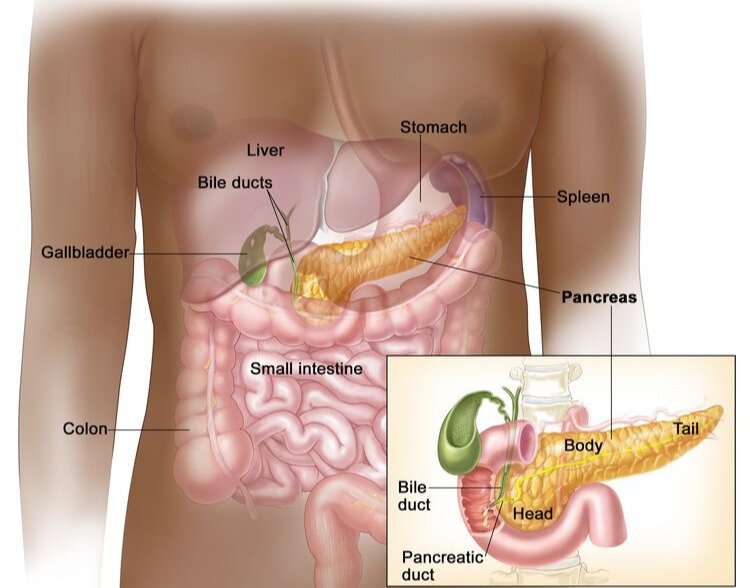
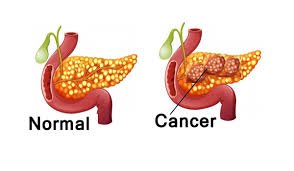
The pancreas is a small but powerful organ located behind the stomach. It plays two major roles: helping the body digest food and regulating blood sugar. Pancreatic cancer begins when abnormal cells in the pancreas grow out of control and form a tumor.

Risk Factors
Certain factors increase the risk of developing pancreatic cancer:
- Age: Most cases are diagnosed after age 60.
- Smoking: A leading risk factor.
- Obesity and poor diet: High-fat diets and lack of exercise increase risk.
- Family history: Having close relatives with pancreatic cancer.
- Chronic pancreatitis and diabetes: Long-term inflammation or metabolic issues can contribute.
Symptoms to Watch For
In the early stages, pancreatic cancer may not cause noticeable problems. As it grows, symptoms may include:
- Persistent abdominal or back pain
- Unexplained weight loss
- Jaundice (yellowing of the skin and eyes)
- Loss of appetite or nausea
- Fatigue and weakness
- Changes in stool (greasy, pale, or floating)
Because these symptoms can be caused by many conditions, they are often overlooked, which is why pancreatic cancer is so hard to catch early.
How is it Diagnosed?
Doctors may use imaging tests like CT scans, MRI, or endoscopic ultrasound to detect tumors. Blood tests for tumor markers and biopsies are also used to confirm diagnosis.
Treatment Options
Treatment depends on the stage of cancer and the patient’s overall health. Common approaches include:
- Surgery: If the cancer is found early, surgery may remove the tumor.
- Chemotherapy: Used to kill or slow the growth of cancer cells.
- Radiation therapy: Helps shrink tumors or control symptoms.
- Targeted therapy & immunotherapy: Newer treatments that aim to attack cancer cells more precisely.
- Palliative care: Focused on comfort, managing pain, and improving quality of life.
Living with Pancreatic Cancer
A diagnosis of pancreatic cancer can be overwhelming, but advances in treatment and supportive care are giving patients more time and better quality of life. Emotional and psychological support from loved ones, healthcare providers, and support groups is just as important as medical care.