Understanding Metastatic Cancer: What You Need to Know
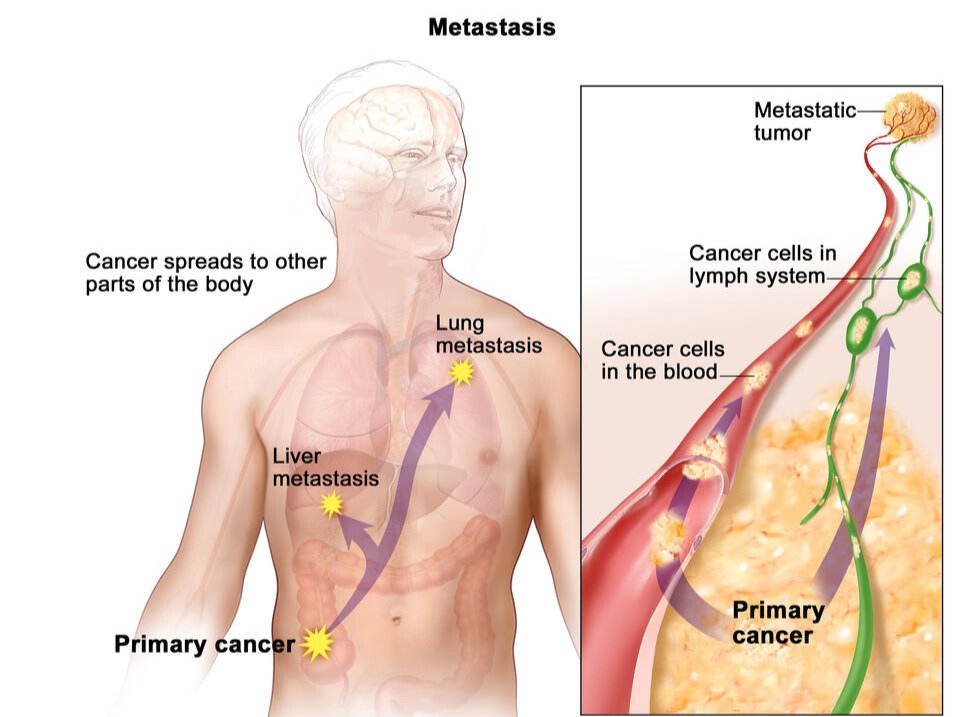
Cancer is a word that often brings fear, but understanding it can help us face it with more clarity and strength. One of the most serious forms is metastatic cancer. This happens when cancer cells spread from where they first started to other parts of the body.
What is Metastatic Cancer?
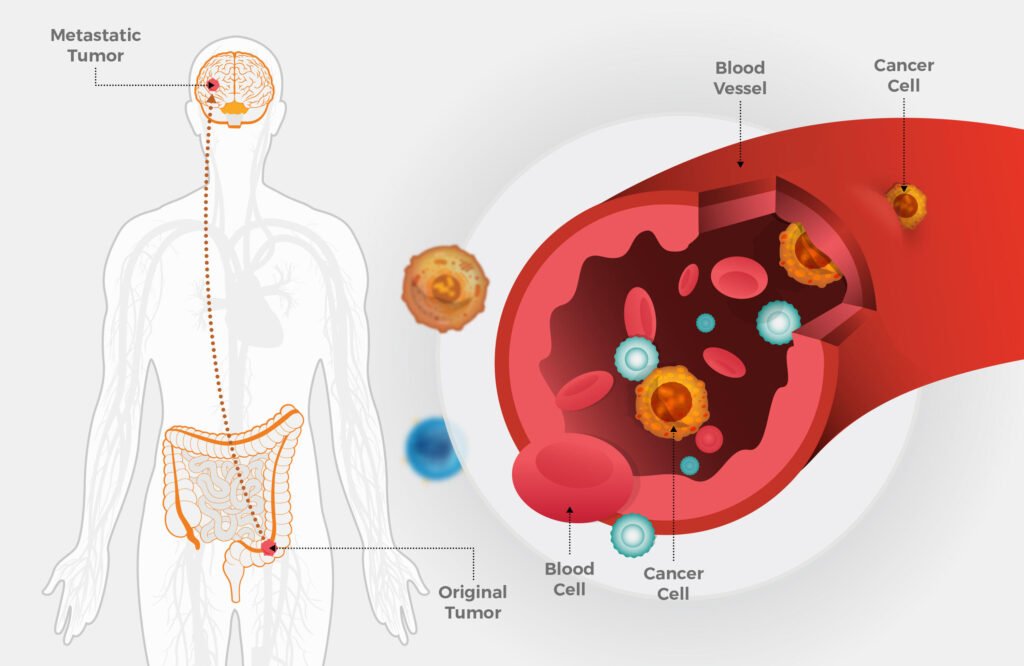
Normally, cancer begins in a single organ or tissue. For example, breast cancer starts in the breast, and lung cancer starts in the lungs. But sometimes, cancer cells break away from the original tumor and travel through the bloodstream or lymphatic system. When they settle in a new area, like the liver, bones, or brain, and form new tumors, it is called metastatic cancer (or stage IV cancer).
Why Does Cancer Spread?
Cancer spreads because the abnormal cells can grow uncontrollably and invade nearby tissues. The longer they exist untreated or uncontrolled, the more chances they have to move to other parts of the body.
Common Sites of Metastasis
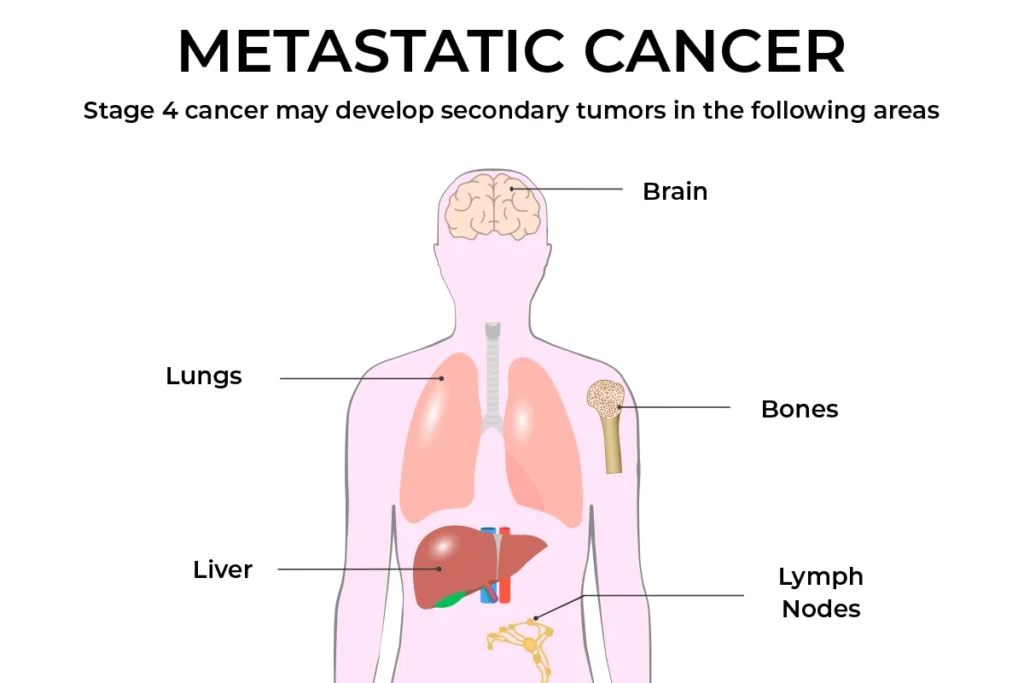
Although metastasis can occur almost anywhere, there are some common sites:
- Liver – often from colorectal, pancreatic, or stomach cancers.
- Bones – common in breast, prostate, and lung cancers.
- Brain – often seen in lung, breast, and melanoma.
- Lungs – a frequent site for many cancers.
Symptoms to Watch For
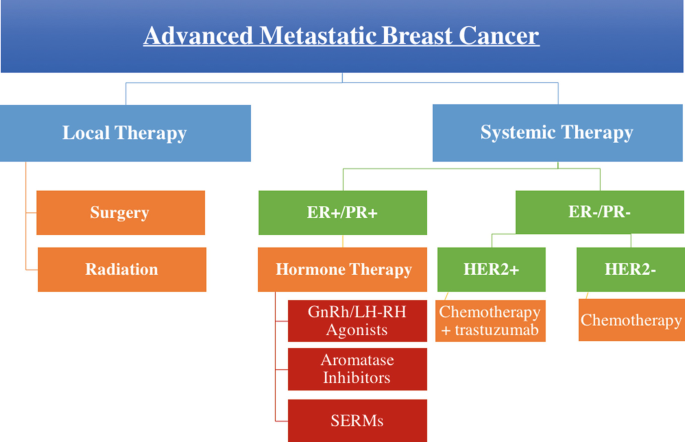
Metastatic cancer symptoms depend on where the cancer has spread. Some examples include:
- Bone pain or fractures if it spreads to bones
- Headaches, seizures, or vision problems if it spreads to the brain
- Jaundice (yellowing of skin/eyes) if it spreads to the liver
- Shortness of breath or persistent cough if it spreads to the lungs
Sometimes, metastatic cancer doesn’t show clear symptoms at first, which is why regular check-ups and follow-ups are important for those with a history of cancer.
Treatment Options
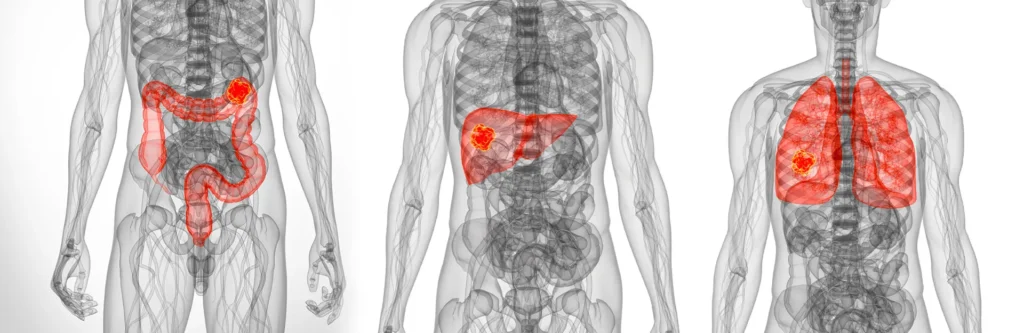
While metastatic cancer is often more difficult to cure, treatments can help control it, relieve symptoms, and improve quality of life. These may include:
- Targeted therapy – medicines designed to attack specific cancer cells.
- Chemotherapy – drugs that kill or slow the growth of cancer cells.
- Immunotherapy – treatments that boost the body’s natural defenses.
- Radiation therapy – to shrink tumors and ease symptoms.
- Palliative care – focused on comfort, pain relief, and emotional support.
Living With Metastatic Cancer
A diagnosis of metastatic cancer is life-changing. Beyond physical treatment, emotional well-being and support are just as important. Patients often benefit from counseling, support groups, and open conversations with loved ones. Advances in medical science are helping people live longer and with better quality of life, even with metastatic cancer.