Colorectal Cancer: Signs, Risks, and Hope for Recovery
Colorectal cancer is one of the most common types of cancer worldwide, yet it is also one of the most preventable and treatable when detected early. Understanding what it is, how it develops, and what signs to look out for can make a big difference in saving lives.
What is Colorectal Cancer?
Colorectal cancer begins in the colon (large intestine) or the rectum, which are important parts of the digestive system. It usually starts as small growths called polyps. Not all polyps turn into cancer, but some can become cancerous over time if left untreated.
Who is at Risk?
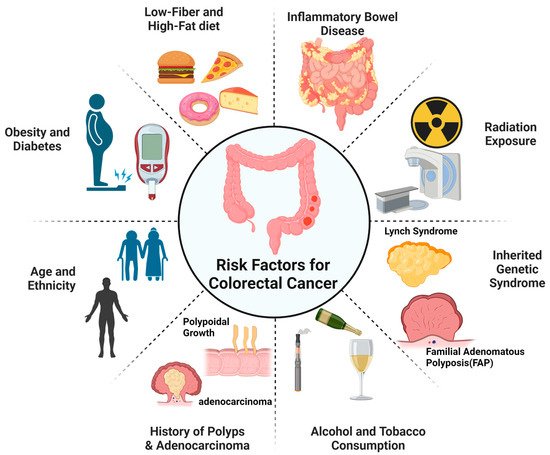
Certain factors increase the chances of developing colorectal cancer, including:
- Age: Most cases occur after the age of 50.
- Family history: A parent or sibling with colorectal cancer raises your risk.
- Diet: Eating a lot of red or processed meat and low amounts of fruits, vegetables, and fiber.
- Lifestyle: Lack of exercise, smoking, and heavy alcohol use.
- Medical conditions: Conditions like inflammatory bowel disease (IBD), Crohn’s disease, or ulcerative colitis.
Common Symptoms
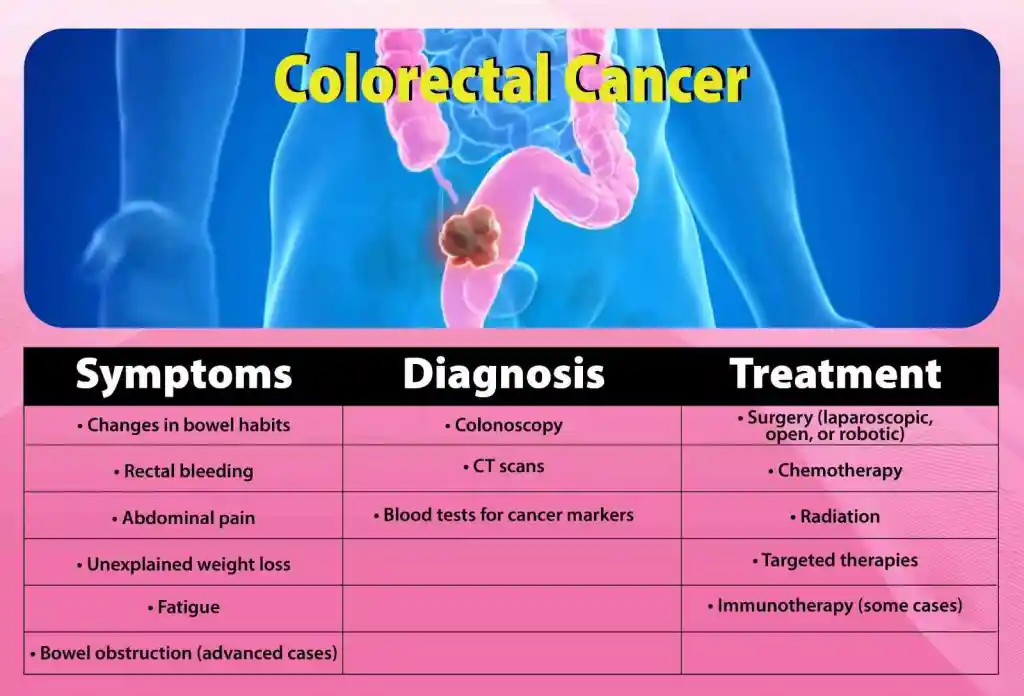
In its early stages, colorectal cancer often doesn’t show symptoms. That’s why screening is so important. When symptoms appear, they may include:
- Blood in stool (bright red or very dark)
- Persistent changes in bowel habits (diarrhea, constipation, or narrowing of stool)
- Unexplained weight loss
- Constant fatigue or weakness
- Abdominal pain, bloating, or discomfort
If you notice any of these signs, it’s important to see a doctor promptly.
The Importance of Screening
Screening tests like colonoscopy can detect colorectal cancer at an early stage, often before symptoms develop. They can also find and remove polyps before they turn into cancer. Doctors usually recommend regular screening starting at age 45, or earlier if you are at higher risk.
Treatment Options
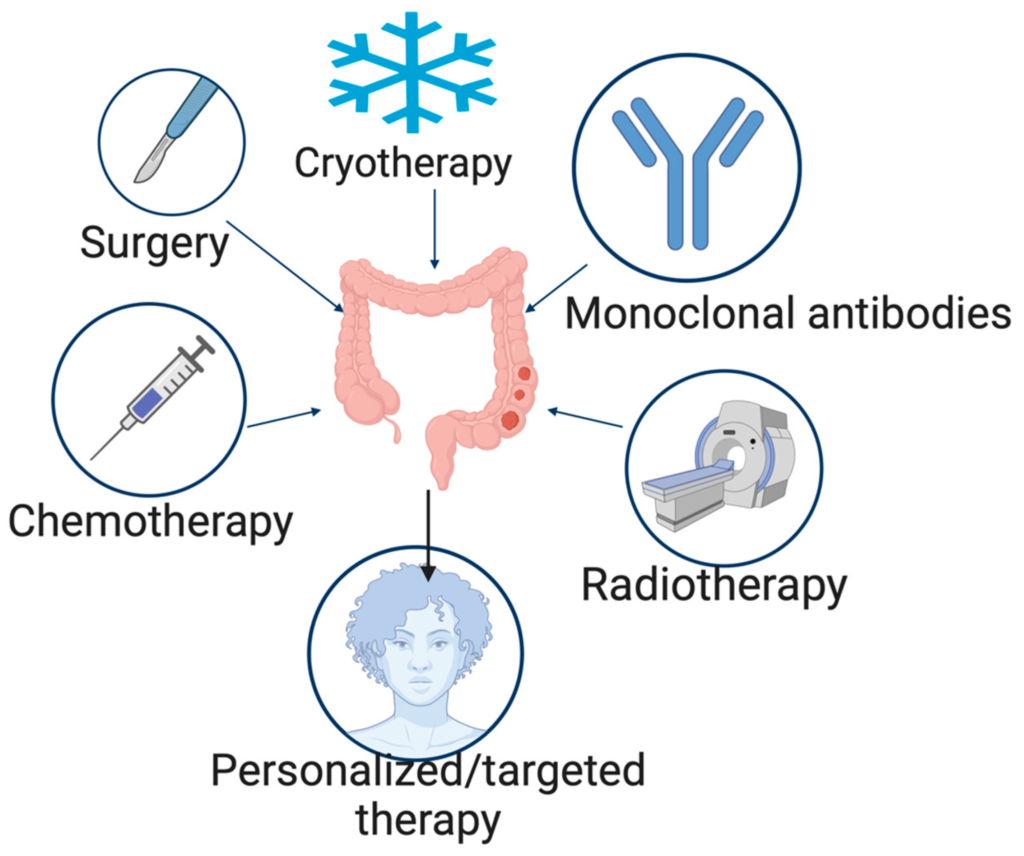
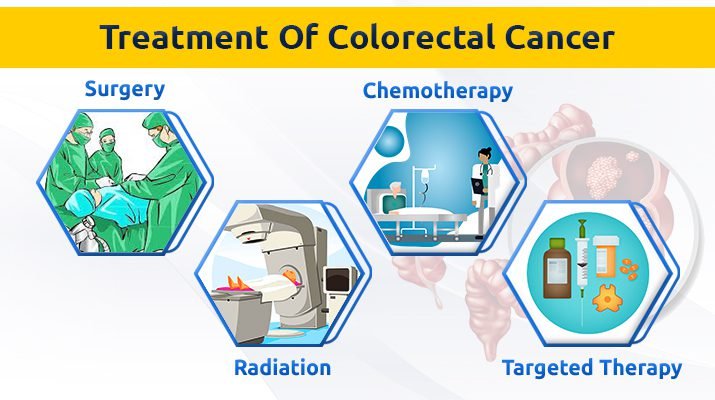
The treatment for colorectal cancer depends on its stage, size, and location, but common approaches include:
- Surgery – to remove cancerous growths.
- Chemotherapy – to destroy cancer cells.
- Radiation therapy – often used for rectal cancer.
- Targeted therapy & immunotherapy – advanced options that focus on specific cancer cell behaviors.
Living With and Beyond Colorectal Cancer
A diagnosis of colorectal cancer can feel overwhelming, but many people survive and thrive after treatment, especially with early detection. Support from family, friends, and cancer care teams plays a vital role in emotional and physical recovery.
Making lifestyle changes—like eating more fiber-rich foods, staying active, avoiding smoking, and limiting alcohol—can also reduce the risk of recurrence.