
Prostate Cancer: What Every Man Should Know
Prostate cancer is one of the most common cancers in men, but with early detection, it is also highly treatable. Understanding what it is, its symptoms, and the available treatments can help men take control of their health and make informed decisions.
What is Prostate Cancer?
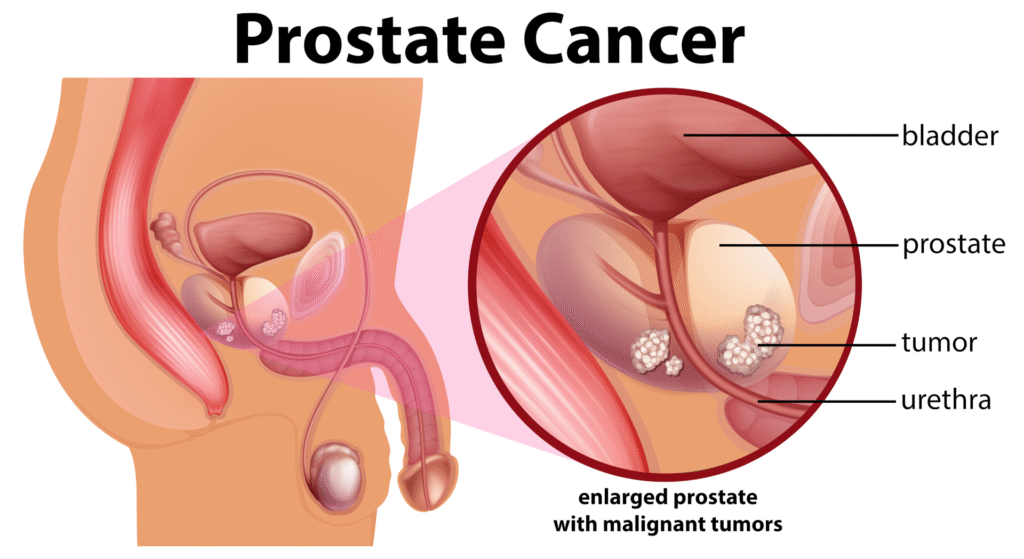
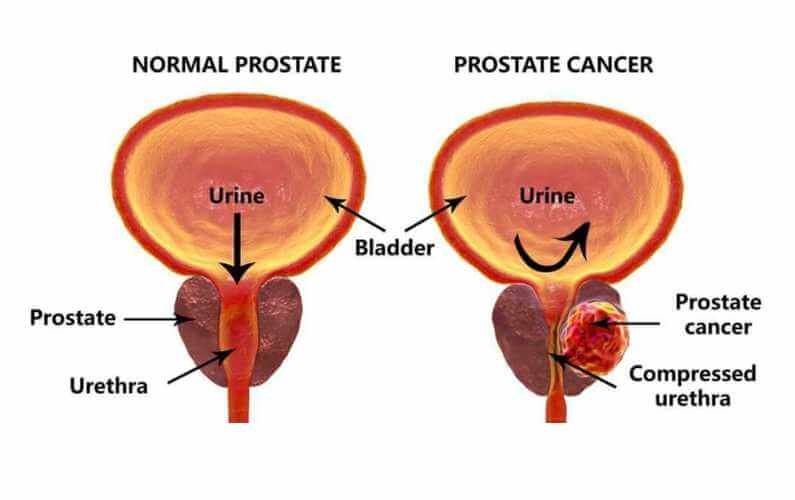
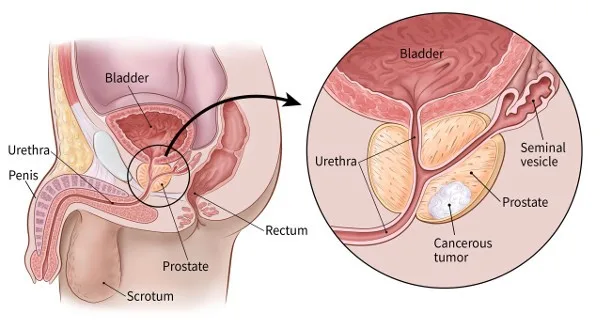
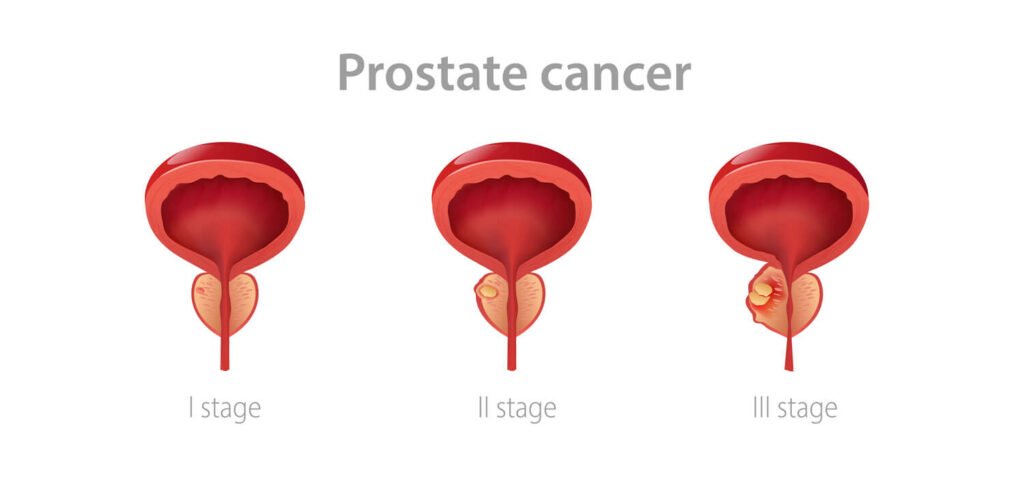
The prostate is a small gland about the size of a walnut, located just below the bladder. It helps produce fluid that nourishes and protects sperm. Prostate cancer begins when abnormal cells in the gland grow uncontrollably. While some prostate cancers grow slowly and may not cause serious harm, others can be aggressive and spread quickly.
Who is at Risk?
Several factors can increase a man’s risk of developing prostate cancer:
- Age: Risk increases significantly after age 50.
- Family history: Having a father, brother, or son with prostate cancer raises the chances.
- Race: Men of African descent are at higher risk and often develop more aggressive forms.
- Diet and lifestyle: A diet high in red meat and low in fruits and vegetables, along with lack of exercise, can add to the risk.
Symptoms to Watch For
In its early stages, prostate cancer may not cause noticeable symptoms. As it grows, men may experience:
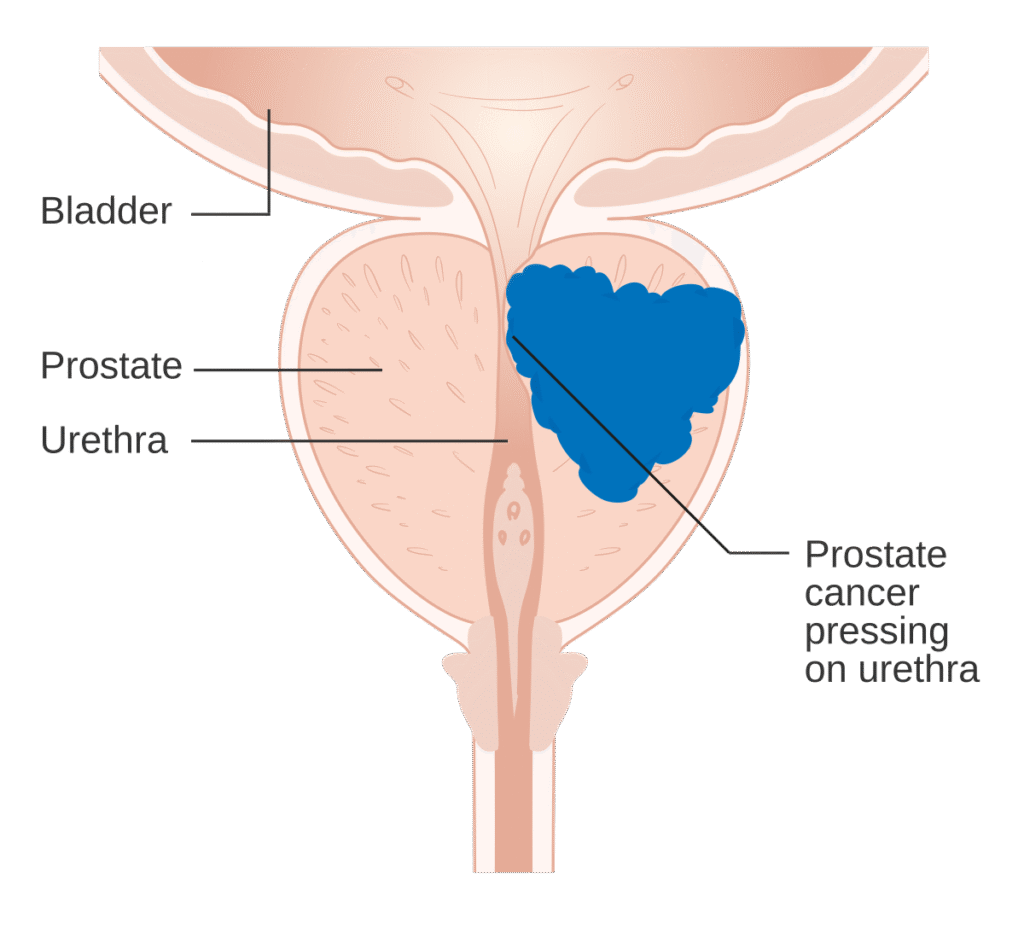
- Difficulty starting or stopping urination
- Weak or interrupted urine flow
- Frequent urination, especially at night
- Pain or burning during urination
- Blood in urine or semen
- Pain in the back, hips, or pelvis (if cancer spreads)
Since these symptoms can also be caused by non-cancerous conditions like an enlarged prostate, medical evaluation is important.
Screening and Diagnosis
Doctors often use two main tests for early detection:
- PSA blood test: Measures the level of prostate-specific antigen in the blood.
- Digital rectal exam (DRE): A quick physical exam of the prostate.
If these tests raise concern, further imaging or a biopsy may be recommended.
Treatment Options
Treatment depends on the stage of the cancer, overall health, and personal preferences. Options may include:
- Active surveillance: For slow-growing cancers, regular monitoring without immediate treatment.
- Surgery (prostatectomy): Removal of the prostate gland.
- Radiation therapy: High-energy rays to destroy cancer cells.
- Hormone therapy: Reduces male hormones (androgens) that fuel cancer growth.
- Chemotherapy, targeted therapy, or immunotherapy: Used in advanced or aggressive cases.
Living with Prostate Cancer
A diagnosis can be overwhelming, but many men live long and healthy lives after treatment. Support from family, friends, and healthcare professionals is vital. Maintaining a healthy lifestyle—balanced diet, regular exercise, and stress management—also improves recovery and overall well-being.