
Kidney Cancer: What You Should Know
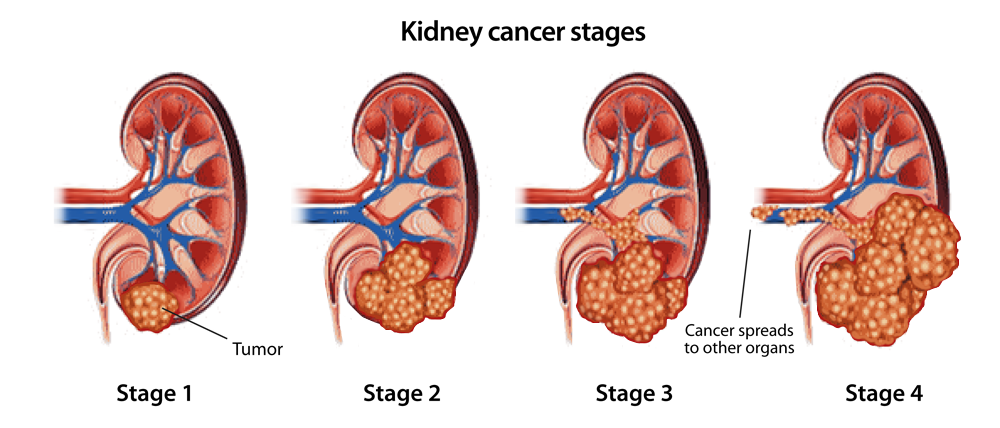
Kidney cancer happens when cells in the kidneys begin to grow abnormally and form tumors. The most common type is renal cell carcinoma (RCC).
In many cases, kidney cancer doesn’t cause symptoms early on. But as it develops, you may notice:
- Blood in the urine
- Ongoing pain in the back or side
- Unexplained weight loss
Certain factors can increase the risk, such as smoking, obesity, high blood pressure, and a family history of the disease.
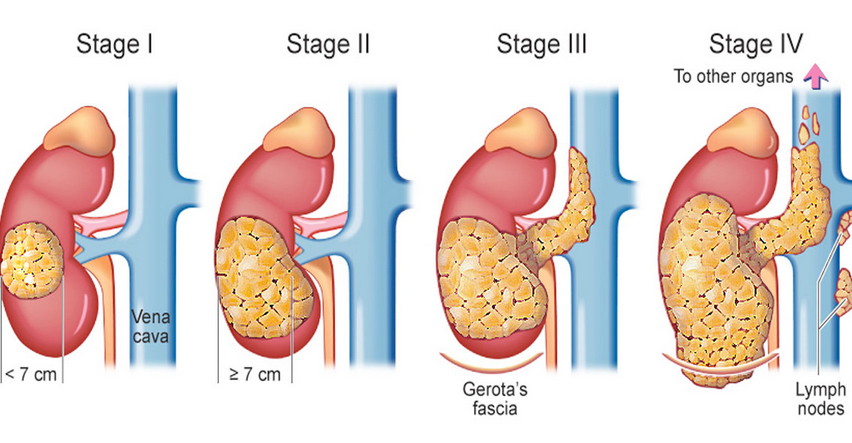
Treatment usually depends on the type and stage of cancer. Surgery is often the main option, while targeted therapies and radiation therapy may also be recommended. Unlike many other cancers, traditional chemotherapy typically isn’t very effective for kidney cancer.
What is Kidney Cancer?
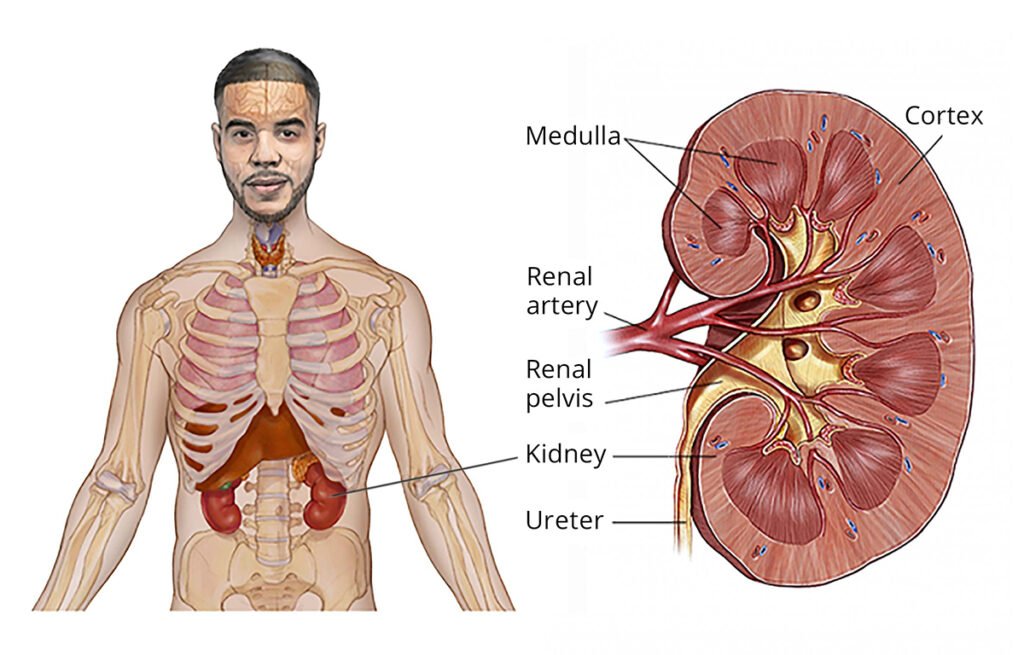
Kidney cancer begins when healthy cells in the kidneys grow out of control and form a tumor. The kidneys are two bean-shaped organs located on each side of your spine, and their main job is to filter blood, remove waste, and balance fluids in the body.
Types of Kidney Cancer
- Renal Cell Carcinoma (RCC): The most common type, making up about 90% of cases.
- Transitional Cell Carcinoma (TCC): Starts in the lining of the renal pelvis, where urine collects before moving to the bladder.
- Wilms Tumor: A rare type that usually affects children.
- Other Rare Types: Such as renal sarcoma, which develops in the connective tissue of the kidney.
Symptoms of Kidney Cancer
In the early stages, kidney cancer may not cause noticeable symptoms. As it grows, some signs can include:
- Blood in urine (hematuria)
- Pain in the side or lower back
- A lump or swelling in the kidney area
- Fatigue or constant tiredness
- Unexplained weight loss
- Fever that keeps coming back
Causes and Risk Factors
While the exact cause isn’t always clear, certain factors can increase risk:
- Smoking
- High blood pressure
- Obesity
- Family history of kidney cancer
- Long-term dialysis treatment
- Exposure to certain chemicals
Diagnosis
Doctors may use several tests to detect and confirm kidney cancer, including:
- Imaging scans like ultrasound, CT, or MRI
- Urine and blood tests
- Biopsy (examining a small tissue sample)
Treatment Options
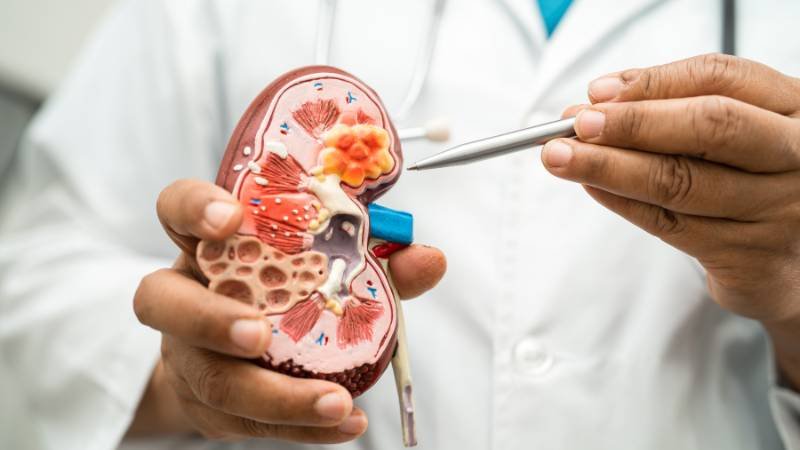
Treatment depends on the stage, type, and overall health of the patient:
- Surgery: Removing part (partial nephrectomy) or all of the kidney (radical nephrectomy).
- Targeted Therapy: Drugs that block cancer growth by focusing on specific genes or proteins.
- Immunotherapy: Boosts the body’s immune system to fight cancer cells.
- Radiation Therapy: Rarely used, but may help with pain or spread to other areas.
- Active Surveillance: For slow-growing tumors in older or high-risk patients.
Prevention and Healthy Lifestyle
Although not all cases can be prevented, you can lower your risk by:
- Quitting smoking 🚭
- Maintaining a healthy weight
- Managing blood pressure
- Eating a balanced diet rich in fruits and vegetables
- Staying physically active